Impeachment Push Hits Legal Wall as Rivers Chief Judge Declines Assembly’s Request
Impeachment Push Hits Legal Wall as Rivers Chief Judge Declines Assembly’s Request
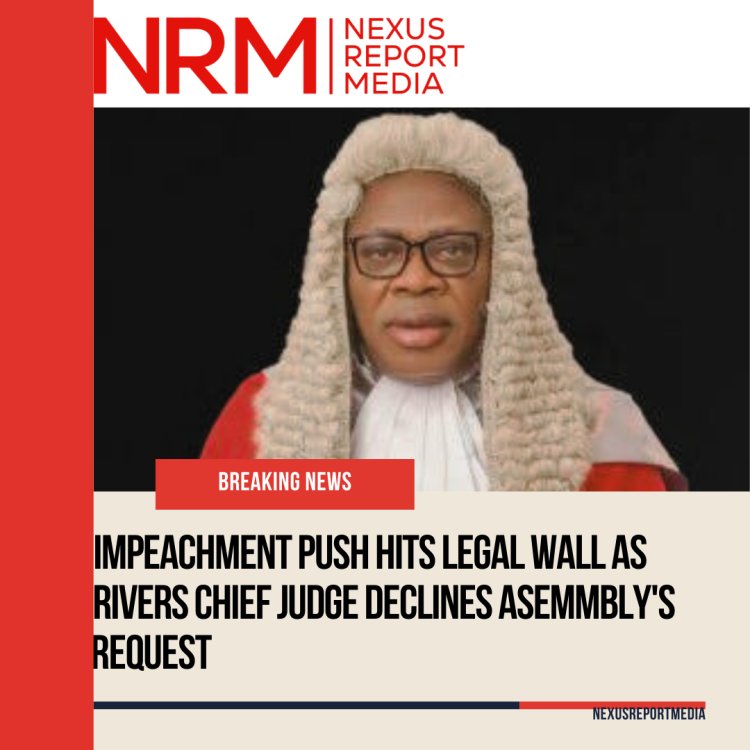
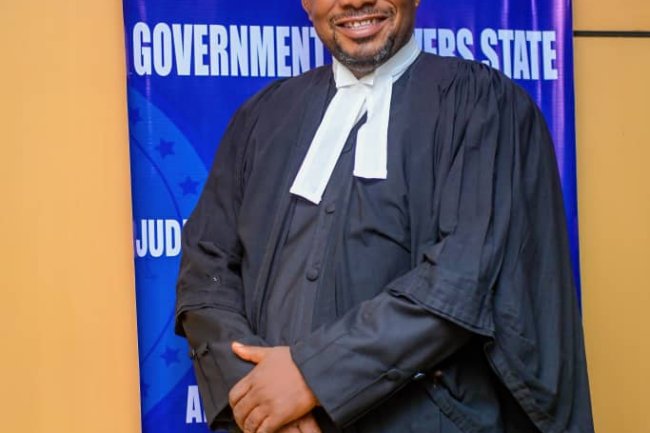
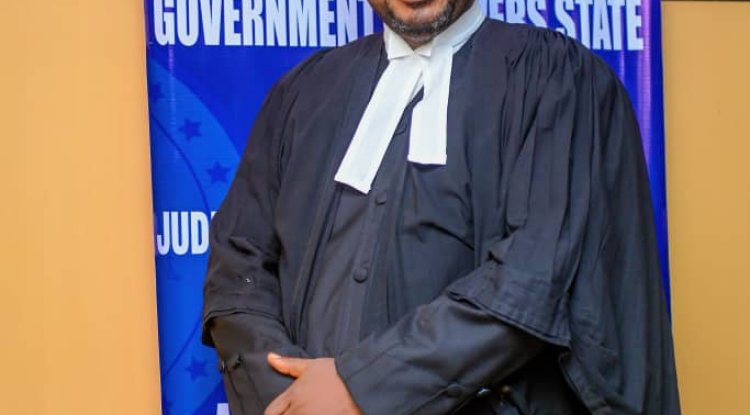
Efforts by the Rivers State House of Assembly to move forward with impeachment proceedings against Governor Siminalayi Fubara and his deputy, Professor Ngozi Odu, have stalled after the state’s Chief Judge, Justice Simeon Amadi, declined to set up an investigative panel, citing binding court orders that restrict such action.
The Assembly had formally requested the Chief Judge to constitute a seven-member judicial panel to investigate allegations of gross misconduct against the governor and his deputy. However, in a letter dated January 20 and addressed to Speaker Martins Amaewhule, Justice Amadi said he was legally barred from acting on the request.
According to the Chief Judge, two court orders served on his office on January 16, 2026, expressly prevent him from receiving, processing or considering any communication related to impeachment proceedings or the establishment of a probe panel.
“Respect for constitutionalism and the rule of law demands strict obedience to subsisting court orders,” Justice Amadi wrote, stressing that personal opinions on the validity of such orders cannot override judicial authority.
He drew attention to a similar incident in Kwara State in 2007, where a Chief Judge was faulted for ignoring a restraining order while setting up an investigative panel, a decision later nullified by the Court of Appeal. Justice Amadi also noted that the Speaker has since appealed the restraining orders, a move that further complicates the legal landscape.
The restraining order in question was issued by the Rivers State High Court in Port Harcourt, presided over by Justice Florence A. Fiberesima, following ex parte applications filed by Governor Fubara and his deputy. The court temporarily barred the Speaker, other Assembly officials and the Chief Judge from taking any steps on impeachment notices or panel constitution.
Despite the judicial intervention, the House of Assembly has maintained that impeachment proceedings will continue. Lawmakers point to the governor’s refusal to present a supplementary 2025 budget as a key source of friction between the executive and legislative arms.
Reacting to the claim, the Governor’s Special Assistant on Political Affairs, Darlington Oji, said the administration believes the existing ₦600 billion budget envelope is adequate for current obligations, adding that any additional funding needs would be addressed in the 2026 budget.
The process has also exposed divisions within the Assembly. Four lawmakers who initially called for dialogue and reconciliation later reversed their stance, withdrawing their opposition and backing the continuation of impeachment steps.
Legal experts have raised further concerns. Analyst Karibi George questioned whether the governor was properly served with impeachment notices as required by law, noting that the constitution mandates personal service. He also urged non-partisan intervention, suggesting that bodies such as the Pan Niger Delta Forum and the Rivers State Council of Traditional Rulers could help defuse tensions.
With the judiciary insisting that its hands are tied by existing court orders and the legislature pressing ahead with impeachment plans, Rivers State now finds itself at a crossroads. Until the courts clarify the legal disputes, the impeachment process remains suspended in a tense mix of law, politics and unresolved constitutional questions.
What's Your Reaction?